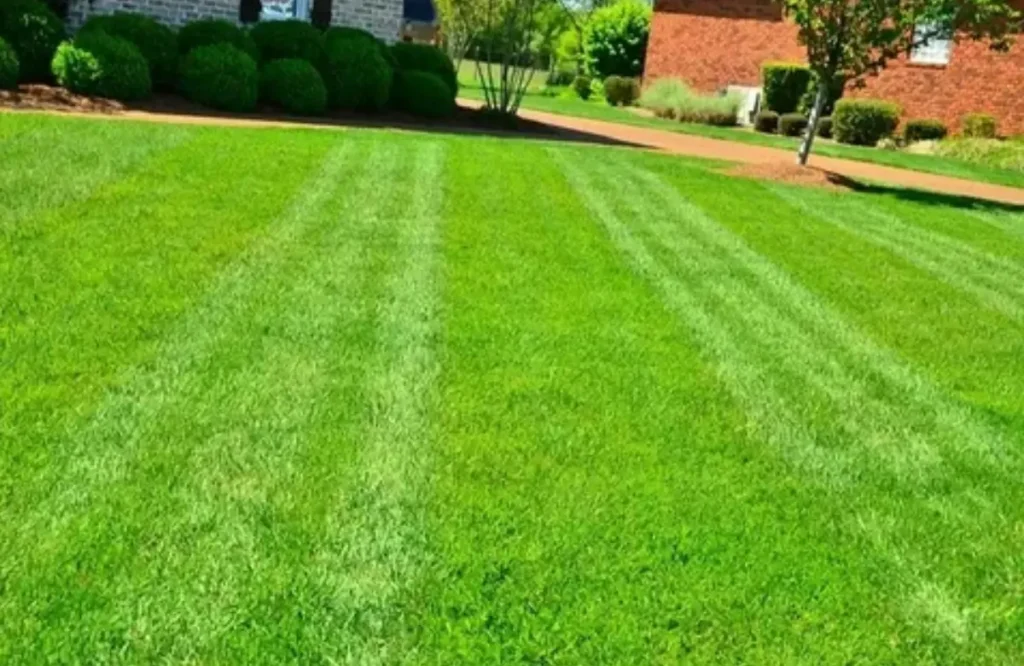
A bumpy, uneven lawn can turn your beautiful outdoor space into a tripping hazard and an eyesore. But don’t worry, with a little instruction in how to level the yard and how to top dress your lawn correctly, you can entirely convert it into a matted, smooth, dark green lawn, which is safe, healthy and easy to take care of. Be it fighting dips which are caused by settling soil or mounds formed by roots/pests, professional yard leveling methods and top dressing will reinstate your lawn. In addition to making the lawn more attractive, a smooth lawn encourages greater grass development, increased water infiltration and better mowing.
You can have a perfect lawn in every season using the right equipment and some knowledge on how to do it. This guide follows the steps in the process of lawn leveling and gives tips on how to top dress that will feed and perfect your lawn and ensure your lawn is the envy of the neighborhood. Say goodbye to rough patches and hello to smooth lawn perfection.
Why Lawn Leveling Is Important
Common Causes of a Bumpy Lawn
The possible reasons why uneven lawns occur are:
- Natural soil erosion occurred as a result of topsoil being washed away by rainwater.
- The movement of animals such as the moles or the burrowing rodents makes tunnels and mounds.
- Settling of soil that is not even following construction or landscaping activity.
- In some places, tree roots are pressing up soil.
- Poor drainage results in soil compaction and movement with time.
- Understanding these causes will make you focus on the correct solutions.
Benefits of a Smooth, Even Lawn
This has several advantages associated with a graded lawn:
- A safer place to walk, run and play; decreases the chances of tripping.
- Less effort to mow at a uniform height, which results in a better cut and healthier grass.
- Better drainage of water, no puddles or waterlogging.
- Increased curb appeal that is clean and manicured.
- Encourages the homogeneous growth of grass and minimizes bald areas.
- With the skills of lawn leveling, you make a long-term investment in lawn health and pleasure.
How to Check If Your Yard Needs Leveling
Signs Your Lawn Is Uneven
Before jumping into fixing, assess your lawn for signs indicating it needs leveling:
- Observable lumps, depressions or swells throughout the yard.
- Water is standing in the depressions after rain.
- The grass is spotty, skinny where it is on a dip, and fat where it is on a rise.
- Problem with moving a lawnmower without stumbling or struggling.
- Experience of stumbling on uneven ground on grass.
When these indications appear, then it is time to arrange how to make your yard flat.
Tools You’ll Need for Lawn Leveling
Gather these tools before starting:
- Lawn mower and dethatcher (to prepare the first one)
- String and stakes (to draw irregular areas) or a garden hose.
- Rake (to spread soil) and level it
- Spa (to make it fertile)
- Shovel or garden spade (to dig or to take away the soil)
- Wheelbarrow (to move topdressing material or soil)
- Lawn roller/tamper (to pound soil)
- Top dressing Soil mix (to fill low areas)
Having the right gear simplifies the process and yields professional results.
Step-by-Step Guide on How to Level Your Yard
Step 1 – Mow and Dethatch Your Lawn
The first step is to mow your lawn down to a short height, which will make the surface being more easy to work with. This is followed by dethatching to eliminate dead grass and organic matter, which may disrupt the leveling and top dressing of the soil.
Step 2 – Identify and Mark Low and High Spots
Find the defects in the garden by putting a string and stakes or a garden hose in a grid form. Indicate where the lawn is not rocky, where it is rocky, where there are flags and where there are sprays. The visualization allows you to focus on the spots in which soil is either required or has to be removed.
Step 3 – Remove Excess Soil from High Areas
In the case of raised spots, spoil the ground with a shovel and excavate the extra soil. Take this soil in your wheelbarrow; you can borrow it again at some other time to fill up low places. Do not take away too much at a time; do your work in layers.
Step 4 – Fill Low Spots with Topdressing Mix
Stuff the dips with a top dressing soil mixture (below). Rake the soil on the low spots till it is fairly even with the level of the adjacent ground. Do not pile up too much of the soil at once, but apply it in thin layers as may be found necessary at length.
Step 5 – Level and Compact the Soil
And even iron the top dress to silk. This is followed by compacting the soil with the help of a lawn roller or tamper to make it firm. In the proper compaction, settling and bumps are prevented in the future.
Top Dressing a Lawn the Right Way
What Is Top Dressing?
Top dressing refers to a process whereby a topcoat of soil mix is spread over your lawn. It is one way of enhancing the quality of the soil, leveling the ground and ensuring healthy growth of the turf.
Best Soil Mix for Lawn Top Dressing
The best top dressing blend has:
- It is a mixture of organic compost and sandy loam.
- Good water draining yet holds moisture to avoid water stress of not being waterlogged or drought.
- Same texture as your current soil, so that there is a smooth blending.
- Pure clay or heavy soil should not be used, as it may suffocate the roots of grass.
How to Apply Top Dressing Evenly
Sprinkle a 1/4 to 1/2 inch layer of top dressing soil out through the lawn with the help of a shovel and a rake. Plow it in low areas and slightly above high areas to encourage gradual leveling. Clean up the soil with a broom or a brush in such a manner that it is swept into the blades of grass and the roots are well in touch.
Watering and Aftercare Tips
After applying top dressing:
- A mist sprinkling of the lawn so that it settles.
- Avoid heavy foot traffic for several days
- Mow in a slow manner when the grass is growing out of the fresh layer.
- Redress the top dressing either once a year or when necessary to keep the top flat.
- This makes sure that you have a healthy and smooth lawn in the long run.
How to Level a Yard Without Killing the Grass
Gentle Leveling Techniques for Healthy Turf
To guard your grass when leveling:
- Replacement of deep soil in thin layers, instead of deep.
- Pull it off and not the scalp of the lawn, but mow and dethatch.
- The level is done after which the seed is scattered as a method to encourage regrowth, or applied, preferably as a fertilizer.
- Apply the best dressing mixes that are suitable for your turf.
- Gentle, gradual improvements keep your grass alive and thriving.
When to Level Your Lawn for Best Results
The optimal period to mow a lawn is growing periods:
- Midsummer, when temperatures are not too hot or cold.
- Once its soil has been softened by regular rainfall or watering.
- The driest months should be avoided to eliminate stress on the grass.
- The schedule of work enhances productivity and performance.
Maintaining a Level Lawn All Year Round
Seasonal Lawn Care and Aeration Tips
Keep your lawn even with:
- Aeration of soil to alleviate soil compaction and increase the drainage permeability of the soils on an annual basis.
- Frequent mowing of the turf at the right heights keeps the turf healthy.
- Raking and dethatching of debris that creates inequality.
- Top dressing should be used once a year to cover minor cracks.
- Bumps are prevented by constant maintenance.
Preventing Future Lawn Unevenness
To reduce future unevenness:
- Enhance groundwater drainage in the area near your lawn so that it does not disappear.
- Officially control the activity of rodents with relevant pest control.
- Huntington-plowing should be avoided.
- Apply mulch on trees to avoid pressure on the surface of the soil by roots.
- Proactive care keeps your yard beautifully balanced.
Conclusion
Knowing how to level a yard and learning how to apply techniques to level the lawn, patches and bumps are turned into beautiful, inviting lawns. By using the correct equipment, timing, and gradual top dressing, you are able to reinstate smooth surfaces that are safer to walk on, easier to maintain as well and make your outdoor activities more enjoyable. Stay fresh with the seasonal treatment and aeration to stay updated with such results all year round. Equipped with the knowledge of how to make your yard professional, you can now start and see your uneven lawn turn out to be smooth as it is supposed to be.
Don’t wait for a patchy yard to get worse; call Revamping Lawns LLC today for professional lawn care that transforms your outdoor space.
FAQ’s
Lawn leveling is the process of making your yard surface smooth and even. It helps prevent tripping hazards, improves lawn health, and enhances the appearance of your yard.
Look for visible bumps, dips, pooling water, patchy grass growth, and difficulty mowing smoothly. These signs indicate your lawn could benefit from leveling.
You’ll need a mower, dethatcher, rake, shovel, wheelbarrow, lawn roller or tamper, and topdressing soil mix.
Top dressing is applying a thin layer of soil over the lawn. It helps improve soil quality, fill low spots, and promote healthy grass growth.
The ideal time is during the lawn’s growing seasons, early spring or early fall, when temperatures are mild and grass can recover quickly.