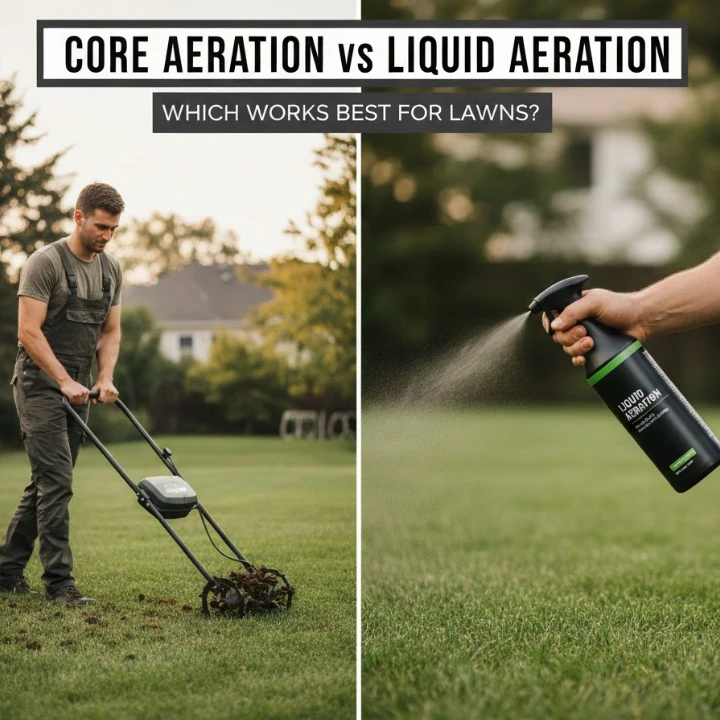
When you are enjoying your lawn more as a lifeless old cemetery than a green heaven, then it is time to figure out how to get it back on its feet. Enter the epic showdown: Core aeration and liquid aeration. It is the final turf rejuvenation face off, shall you use the traditional deep-till plug removal process or the smooth and current chemical process that will make its magic under the ground? Imagine that your lawn was choking and starving and has not seen the light of day in years and years of compacted soil and thatch, and it is screaming for a breath of fresh life.
They both purport themselves to be the savior of the soil but which is the one that actually revives the health and beauty of your lawn? Be ready to unearth the mysteries, advantages, and dangers of these two life-saving treatments for the lawns. The yearning of your grass is in the balance. Who is going to make war to bring a green afterlife? Let’s dig deep and find out.
What is Core Aeration and How Does It Benefit Your Lawn?
The last one may be called core aeration, which may sound like a medical drama, but it is a simple and reliable lawn practice to make your lawn breathe. Just think of your soil choking under weeks of dryness and the great number of feet walking over it. Core aeration is its CPR.
The Process of Core Aeration
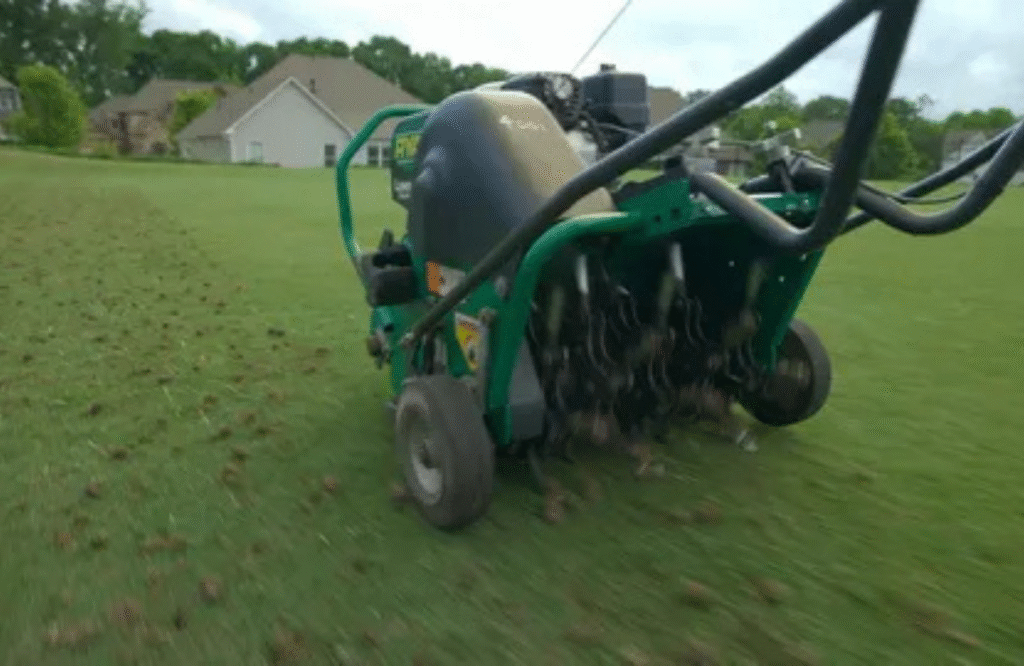
Core aeration machines drag small chunks of soil off of your lawn and leave it to air, water, and nutrients. These graves are freshly unearthed holes that draw your soil out of the depths. Typically, the cores would be the size of a pencil and would be spread evenly over your lawn.
This digging ritual relieves soil compaction, a nasty culprit that suffocates roots and chokes your grass. A ripped out of those plugs and the roots stretch and swallow up the oxygen and sink a bit deeper into the healthier soil and not rot away on the surface like a headstone that has been lost and forgotten.
Benefits of Core Aeration for Lawn Health
Core aeration helps by:
- Increasing the penetration of roots, so they can form deep and strong roots.
- Increasing water absorption, avoiding runoff, and puddling.
- Enhancing the nutrient absorption through the penetration of fertilizers.
- Increasing microbial activity, which encourages a good soil ecosystem.
- Less thatch-making, which is as smothering as a blanket of moss.
What is Liquid Aeration and How Does It Work?
Liquid aeration is the newcomer at the casket home of the funeral home. It does not dig up plugs; rather, a chemical mixture is used to enhance the texture and permeability of the soil, without disturbing the surface real flesh, er, turf.
The Science Behind Liquid Aeration
The formulae of liquid aeration typically include such surfactants as ammonium lauryl sulfate, which opens soil particles. Imagine it was like a potion that could crack the crust of the soil from the inside and form some channels that permit air and water to penetrate with less difficulty.
Other additives can enhance the growth of microorganisms and directly introduce nutrients to the soil, providing your lawn with an internal examination and injection without scalpels and needles.
Key Benefits of Liquid Aeration for Lawns
- No holes and apparent disturbance; your lawn can maintain its composure.
- Accelerated and less effortful application.
- Applicable in lawns that have shallow roots or tender regions.
- Combustible with fertilizers or other treatments.
- Helps keep soils moist, leading to low stress in drought.
It’s like giving your lawn a nourishing elixir instead of a bone marrow transplant.
How Liquid Aeration Differs from Core Aeration
- No physical plugs or holes of liquid aeration as opposed to the removal of soil cores.
- Liquid aeration is a chemical and biological process, whereas core aeration is a physical relief to soil.
- Liquid aeration is not very intrusive and can be applied more frequently.
- Core aeration provides instant penetration of the soil, but it also needs a certain time for healing of the lawn.
Liquid Aeration vs Core Aeration: Which is Best for Your Lawn?
Now, let’s put our contenders head-to-head like opponents at a lawn-care wrestling match.
Comparing the Effectiveness of Liquid and Core Aeration
A more lasting and clearer effect comes with core aeration since it has a physical way of bringing about relief to soil compaction. It is the one to go with when excavating very dense soils or soils with a lot of clay.
In the meantime, liquid aeration is a less forceful method with the slightest transformation over the long term, ideal on less stressed grass or in a situation where an individual would like to keep the grass in optimal condition without any rest. Core aeration is considered the full excavation and liquid aeration is the massaging of soil.
Cost Comparison: Liquid Aeration vs Core Aeration
Core aeration is described as equipment renting or professional charges, which range $75–$200 each treatment, according to the size of the lawn.
The average cost of liquid aeration treatment is less, approximately between $30–$100; however, it might need repeated treatment in one year. In that way, you can save some green by not doing so immediately, but can accumulate over time, such as a subscription to the aftercare of your lawn.
Lawn Type and Aeration Method: What Works Best for Different Grass Types?
- During growing seasons, core aeration is usually beneficial to cool-season grasses.
- Warm-season grasses may be cultivated by either core or liquid aeration periodically.
- Lawns that have soft surfaces or the new sod like sod would enjoy liquid aeration to prevent damage.
The decision to make depends on the type of grass, the soil condition of the area and the maturity of your lawns- you can not just pick your champion randomly.
Frequency of Treatment: How Often Should You Aerate Your Lawn?
The usual problem is core aeration, which is performed once or twice a year, preferably in early spring or fall.
Depending on the soil condition and the stress experienced by the lawn, liquid aeration treatments can either be quarterly or seasonal. Regularity matters, as well as going to a cemetery to trim the grass.
Core Aeration Services: Why You Should Consider Professional Lawn Care
In need of the right resurrection? Professional services possess the skills and equipment to provide a clean and uniform core aerating that your DIY would be unable to compete with.
What to Expect from a Professional Core Aeration Service
- Specific spacing and depth of even soil plug removal.
- Other services such as overseeding, fertilization, and dethatching.
- Clean up of plugs- natural or professional.
- Professional suggestions regarding time and lawn maintenance.
They are the morticians of your lawn and they make sure that everything is dignified.
Choosing the Right Lawn Aeration Service Near You
In search of certified and insured businesses that have good reviews, lawn-specific experience, and clear pricing. A good company will not only pitch to you based on a one-size-fits-all approach but also base it on a good projection of your type of soil and grass.
Is Core Aeration Worth the Investment?
When the traffic on the lawn is high, the soil is compacted or displays any fatigue indicators, then yes. The health of your grass can be rejuvenated through core aeration, thus saving you the cost of having to replace your lawn.
Outsourcing will save your time, back pain, and ensure you have results that are worthy of the green afterlife.
Liquid Aeration Services: Are They the Right Choice for Your Lawn?
Liquid aeration services stand up well, particularly when one desires immediate, no-mess upgrades without transforming their lawn into a moonscape.
What to Expect from Liquid Aeration Lawn Care Services
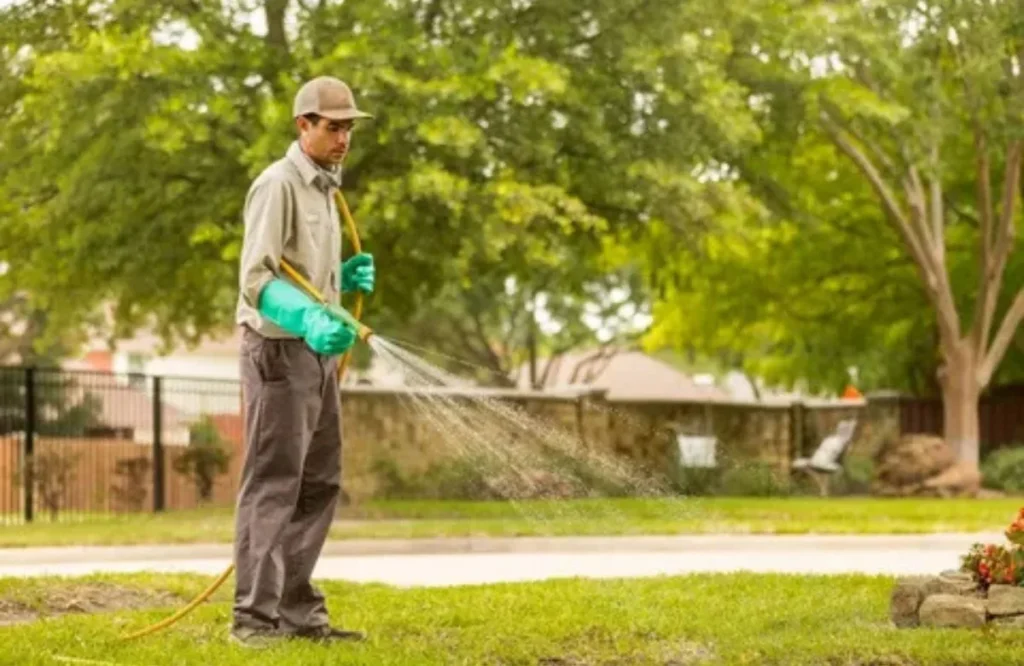
- Use of lawn sprinklers or spreaders to apply formulas of soil-conditioning.
- Chaos of the least interference, no holes or plugs.
- Fertilization or pest control could be combined.
- Typically, high-speed therapies and reduced recuperation.
Advantages of Hiring a Professional for Liquid Aeration
- Timely and correct amounts of applications.
- Knowledge of product chemistries tailored to your soil needs.
- Availability of commercial-grade formulas that are not found in retailers.
- Premier diagnosis and lawn maintenance.
Conclusion:
The selection of the appropriate aeration technique in your lawn relies on the core aeration vs liquid aeration to suit the requirements of your turf to be healthy and vibrant. Core aeration is a type of service that is used to mechanically remove soil plugs to decompose instances of severe compaction, enhance drainage, and promote deep roots, which are ideal for high-traffic or clay soils that require a firm reset. In the meantime, liquid aeration vs core aeration will prefer a non-invasive spray, which will chemically loosen soil, develop microorganisms as well as an even distribution of nutrients, ideal to be used in maintenance of light soils with no recovery time.
Professionals recommend core aeration when long-lasting effects are required on resistant material compaction, whereas liquid aeration is more suitable when frequent, milder treatment is needed; a combination of the two, i.e., core every year and liquid every quarter, works the best on most of the grass varieties, such as fescue or Bermuda.
Ready for lush results? Contact Revamping Lawns LLC for tailored lawn aeration services today.
FAQ’s
A: Comprised soil is interrupted through aeration and enhances the flow of air, water, and nutrients to roots. It improves the microbial activity as well, which is beneficial to prevent such issues as the development of runoff or fungus.
A: Absolutely. A lot of homeowners opt to core aerate yearly or twice annually with liquid aeration in between so as to retain the health of the soil and vitality of the lawn.
A: Lawns that are being affected by compaction, heavy traffic or thatch should be aerated. It can not be penetrated by even the best fertilizers and water without it.
A: Lawn aeration services loosen compaction to increase air, water and nutrient permeation to roots as well as improve microbes and thatch reduction.
A: Yes, use core aeration annually for deep relief, then liquid aeration quarterly for maintenance.