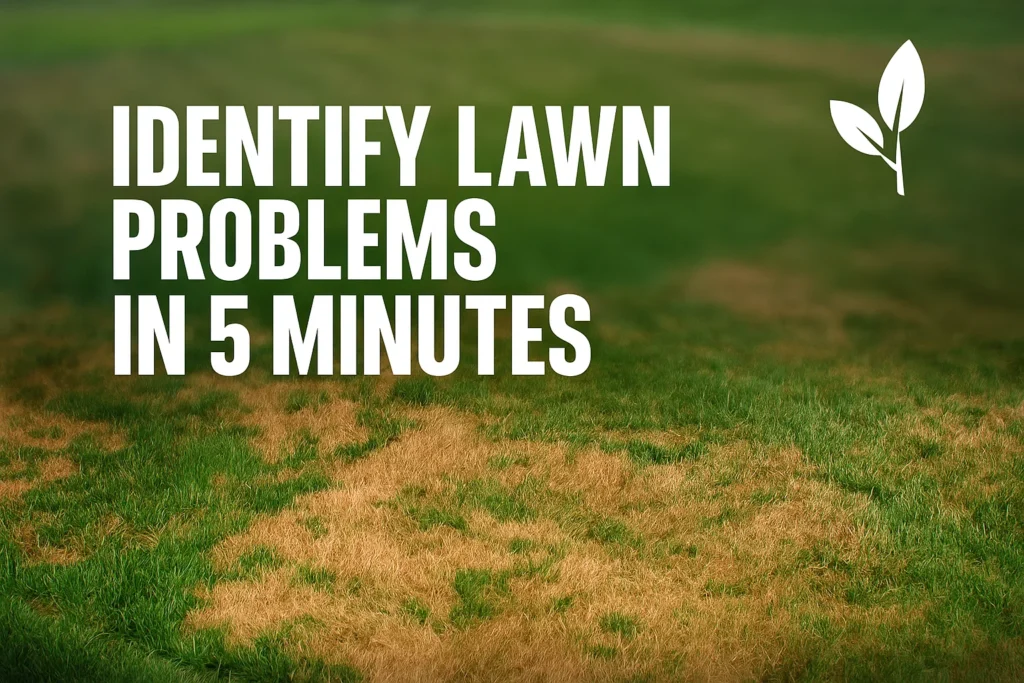
A healthy-looking, colorful lawn is the ambition of every household owner yet concealed somewhere sub-surface are sneaky threats that, under the cover of night, will convert your green and neat lawn into a spot patch with some of this and that lying around. Enterprise through the ability to see the first symptoms of fungus in the lawn before it destroys the area, just by taking five minutes for a quick check-up. Imagine that you began to save thousands of dollars on expensive repairs and annoying frustration on things that you just need to know how to look into. Time is an important factor in this busy world today and so is your lawn. This is why learning how to do an effective but quick diagnosis of the lawn is your ultimate back door model in the face of the invasive lawn diseases.
This guide breaks down how to identify common grass diseases lightning-fast, empowering you to take control and keep your outdoor space thriving year-round. You are houselined to be the first impression on your lawn? Let’s dive in.
Why Quick Lawn Diagnosis Matters
The Cost of Ignoring Early Signs of Lawn Disease
It may look insignificant to pay attention to patches of grass that are yellow, brown or discoloured; however, grass diseases may grow exponentially if no steps are taken to limit their spread. Symptoms are also easy to overlook at an early stage but when the infections have settled, the treatments become more expensive and time-consuming. The more time fungal infections remain the drier your lawn is made to look; in fact, it may cause irreparable damage that will, in turn, lead to reseeding or some patchwork.
How Fast Lawn Diseases Can Spread
A great number of lawn diseases are carried quickly through lawn equipment, pets, wind or runoff. Such fungal pathogens reproduce overnight, provided there are favorable conditions in terms of warm, humid, and wet environments. The speed of the extent implies that the small brown spot can grow big in days. Quick diagnosis of the lawn diagnosis in notifying of these problems at the time when they are small and compact, without the possibility of spreading on a large scale.
Common Lawn Diseases and Their Symptoms
Brown Patch Disease
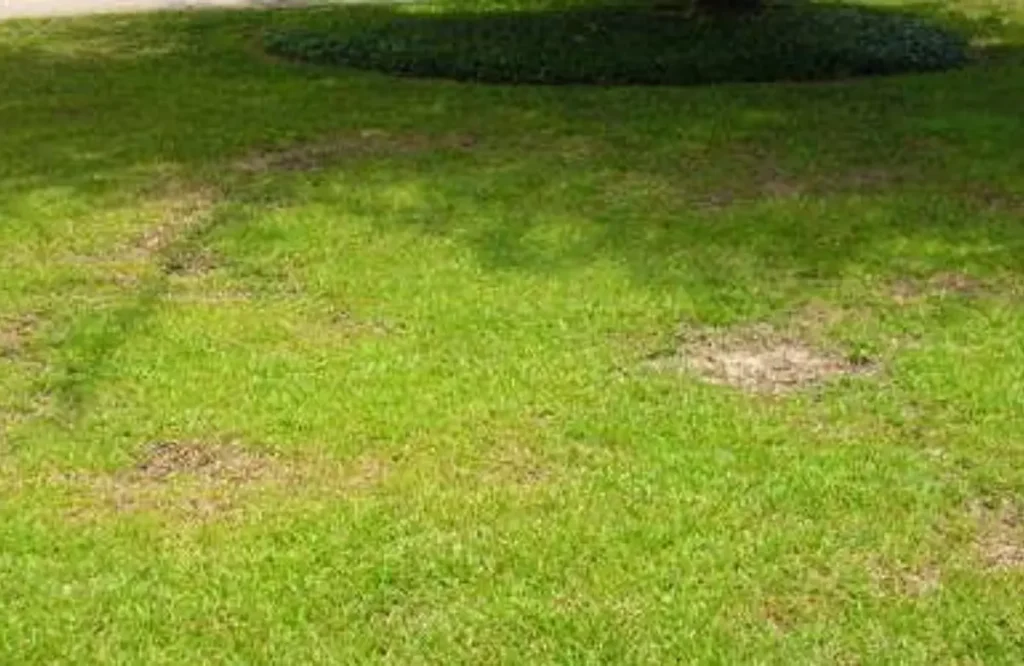
Brown Patch is exhibited in the form of circular brown patches, which usually have several inches to a few feet in diameter. The disease survives in warm and humid climates and it is prevalent in Kentucky bluegrass and fescues. The grass in the patch appears burnt and the roots tend to endure provided that they are fast-treated.
Dollar Spot
As the name suggests, Dollar Spot appears like small spots of the lawn that look like the silver dollar in size, spread all over the lawn bleached. It grows when it is dry, days are warm and nights are cool. The areas may develop quickly and overlap to produce bigger areas of destruction.
Rust Disease
The rust disease is described as solid spores that are orange, yellow, or reddish in color and they cover the blade of grass. It affects turf by absorbing nutrients and the ability to photosynthesize in the plant. In the event that it remains unaddressed, it may lead to predilection and susceptibility towards other illnesses.
Snow Mold
When there is a prolonged snow cover, it forms the Snow Mold with greyish or pinkish circular circles after the passing of the snow cover. It primarily destroys the cool-season grasses during the thawing of winter, and the growth is slackened when spring comes, unless checked.
Pythium Blight
This is a destructive fungal disease with greasy dark green patches and eventually it dies due to the hot and wet weather. It is also among the quickest spreading turf diseases, which require urgent measures.
How to Spot Early Signs of Fungus in Your Lawn
Early identification of the signs of fungus in the lawn can help minimize additional loss. The symptoms are indicative of fungus and they are as follows:
Discoloration and Patchy Areas
Search for irregular spots of yellow, brown or dried green which never recover following watering. In most cases, early fungal infections provide different discolours on the affected turf.
Soft or Slimy Turf Texture
Fungus will tend to decrease the hard character of turf to any mushy or slimy feeling. This texture means that organic matter is in poor condition and that there is a clue of decay.
Quick Lawn Diagnosis: Step-by-Step Guide
Follow these five easy steps to perform your 5-minute lawn diagnosis to identify potential grass diseases and fungal issues.
Step 1 – Inspect the Grass Blades and Soil
Test grass leaves, either for discoloring, spots or powderiness. Moreover, examine the surface of the soil to find out too much moisture or fungi. Being able to access texture change with fingers.
Step 2 – Check for Drainage and Moisture Issues
Waterlogged soil or poor drainage is likely to promote fungal diseases. Mow your lawn to determine the presence of areas of wetness, puddles, or running bodies of water that may foster the growth of pathogens.
Step 3 – Identify Patterns of Damage
Indeed, search in circles, rings or scattered dots. Disease spots are mostly in the form of rings or indistinct objects and the insect infestation would be more straight or chewed.
Step 4 – Use a Lawn Disease Chart or App
Identification can be made faster using a visual guide or an app on a smartphone that is devoted to the diseases of the lawn. Compare your symptoms to the photos and description in order to identify the problem.
Step 5 – Take Action Within 5 Minutes
Once diagnosed, make a fast decision on the treatment or preventive measure required. Treatment effectiveness and damage to the lawn are reduced by early action.
Effective Treatments for Common Grass Diseases
In the case of the treatment of grass diseases, it is essential to intervene in time. The following is the way to do things:
Natural Remedies for Lawn Fungus
Natural remedies can bring a sense of balance in case of mild cases of fungal infection. Spray with a blend of baking soda and water or spray with neem oil in order to prevent the growth of fungus. Have the lawn care mowed and raked regularly.
When to Use Fungicide Treatments
Slow spreading diseases or even severe diseases such as Brown Patch or Pythium Blight demand fungicides. Choose fungicides marked based on the type of disease and type of lawn so that you can get the most successful results.
Proper Watering and Mowing Techniques
Watering in the morning early enough is needed to ensure that the grass does not over-water and it dries quickly. Mow frequency can be frequent, but no more than once every third of the height of the grass cut at any one time, because stressed grass is more susceptible to the victim of the lawn diseases.
How to Prevent Lawn Diseases Before They Start
Disease prevention in the lawn circumvents the trouble of having to treat the disease. These are main practices to follow:
Improve Soil Health and Aeration
Compacted soil should be aerated in order to enhance the flow of air, water and nutrients to roots. Proper soil provides resistant turf, which can withstand the grass diseases naturally.
Choose Disease-Resistant Grass Varieties
Choose such grass varieties that are resistant to county diseases. Resistant grasses have fewer chances of being infected by fungi and also have less chemical resistance.
Seasonal Lawn Care Practices
Alter the utilization of the lawn to the seasons, i.e., fertilize in a proper manner, maintain thatch and clean cutters to reduce pathogen spreading. The best seasons for preventive care are fall and spring.
Conclusion
Quick diagnosis of the lawn will help in the timely detection of the problem at a stage where treatment is simple and has maximum effectiveness. Learning to recognize signs of fungus in the lawn and performing usual grass diseases will not cost time and money, but will help in maintaining a healthy and beautiful lawn. Always keep in mind that the best way to prevent the occupation of the lawn by diseases is good cultural practices. Your lawn should be properly attended to and cleverly noted. All it takes is five minutes of observation and care to get a year-round outdoor space that is unaffected by the fungi.
Ready to keep your lawn healthy and disease-free? At Revamping Lawns, we make lawn care simple and effective. Click below to get expert advice and solutions tailored to your lawn’s unique needs.
FAQ’s
Signs to be aware of consist of discoloration, spotty dead areas, white moulds, as well as slippery or mushy turf surfaces.
Other fungal infections are transmitted in a matter of days, particularly in moist and damp conditions.
Apply them when natural curatives are not sufficient or when the diseases are highly contagious and in particular, the Brown patch, the Pythium Blight or the Dollar Spot.
None of the grasses are 100% resistant to every disease, but the ones that resist diseases considerably cut down on risk and expenses associated with labor.
Once in the growing seasons, you will have a week to inspect your yard and this enables you to notice trouble soon.