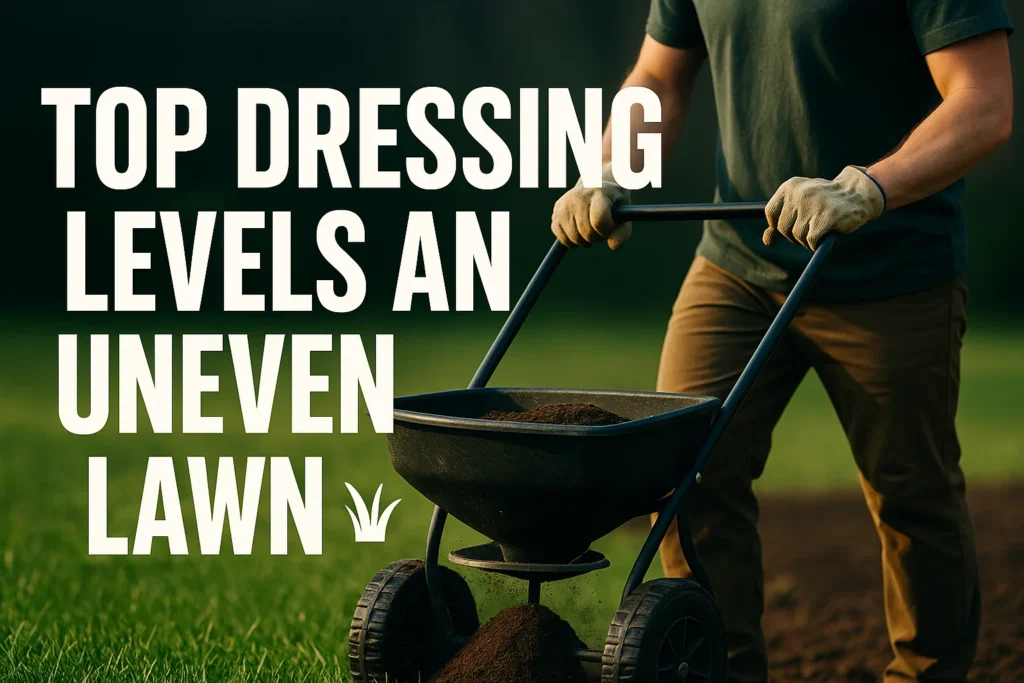
The uneven yard seems like an obstacle course in your own backyard; there is a risk of tripping, patchy grass, and constant mowing issues that deprive the pleasure of spending time outside. But what do you suppose you could do with those bumps and dales and make them out to be a smooth, green, soft carpet, without pulling up the sod and giving up a fortune? That is where top dressing comes in. This is such a simple but effective method of doing lawn care, because besides how it levels your lawn, it also gives life back to the lawn, causing your lawn to be the pride of the neighborhood.
Ready to finish with that bumpy and frustrating yard? Now we will head into the use of top dressing and the correct lawn leveling equipment to make your lawn completely smooth and to ensure that it looks smooth season after season.
Understanding Lawn Leveling and Top Dressing
What is Top Dressing and Why is it Important for Your Lawn?
Top dressing involves applying a thin coat of soil or soil mixture onto your existing lawn in order to enhance the soil surface and its health. It also fills low areas, levels off the bumps and even adds fresh soil nutrients that enhance greater root growth.
Why does it matter? Even a lawn will not leave water standing on the surface or wear out unevenly, hence easier to mow and grow well. Top dressing, too, enhances the structure of the soil by promoting positive microorganisms and improving their ability to drain.
The Role of Top Dressing in Fixing Bumpy or Uneven Lawns
Unevenness usually comes from soil settling, underground critters, or erosion. By layering soil mix during top dressing, you gently raise depressed areas to match the surrounding turf, eliminating bumps and dips without major excavation or reseeding.
Top Dressing the Lawn: Its Use to Cure Bumpy or Uneven Ground
Inequality is normally caused by soil settlement, underground creatures or erosion. Top dressing is the process of lifting sunken parts of soil to be even with the rest of the turf by mixing the soil using topping compounds, without the need to do any serious excavation or reseeding.
Tools and Equipment for Lawn Leveling
Essential Lawn Leveling Equipment for DIY Lawn Care
The right equipment is important to the achievement of leveling your lawn. Single-stage lawn care leveling machines consist of:
- Drag mat/ Lawn leveler used to smooth soil.
- Sowing the best topsoil or sand.
- Adding soil would be done using a shovel or spade.
- Compacting and settling soil roller.
- Soil mix transported with a wheelbarrow.
- The Instructions on How to Use a Lawn Leveler.
How to Use a Lawn Leveler for Best Results
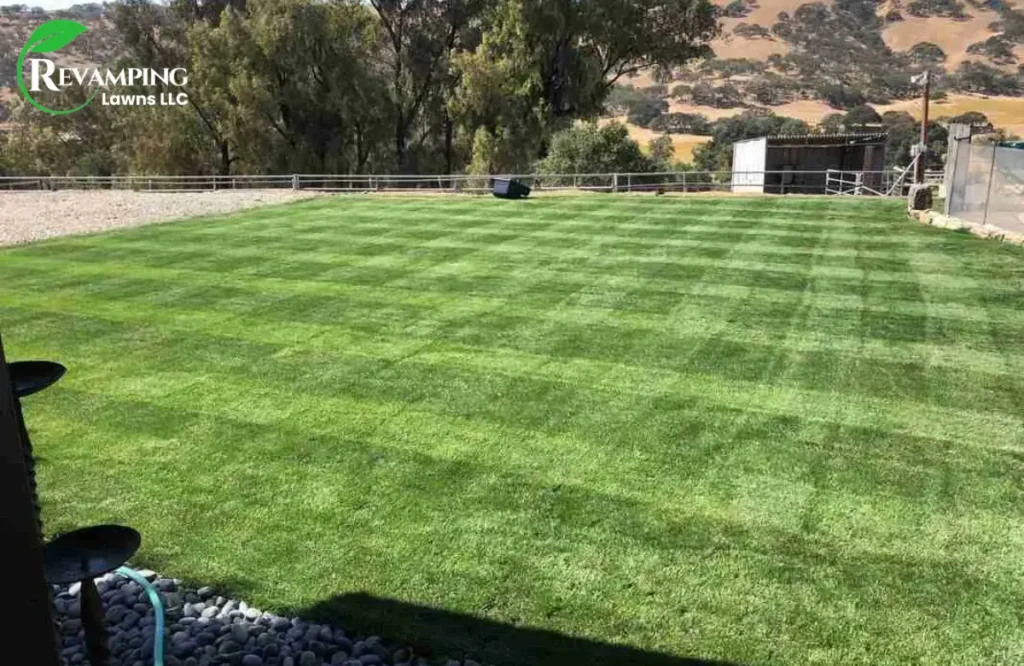
A lawn leveler is an instrument that has a toothed or flat blade attached to a frame. Having scattered your top dressing soil, draw the leveler over the grass. It also levels the soil layer, pushing down the high areas and filling the low areas. Apply overlapping passes, which are steady and even.
The Best Lawn Leveling Tools for Different Lawn Types
The thicker grass type or thatch lawn may need special equipment, such as dethatchers or aerators and then how to level a bumpy lawn. In case of smaller or patchy yards, only a garden rake and a hand cultivator could be used. A skid-steer equipped with a box blade can be used in large or deeply sloping grounds.
Step-by-Step Guide to Leveling a Bumpy Lawn with Top Dressing
How to Level a Bumpy Lawn: Preparation is Key
- Cut your grass to a short, even height.
- Sweep away rubble, litterfall and thatch.
- Find the high and the low points with the help of walking or rolling a ball around your yard.
Choosing the Right Soil Leveling Tool
The size and irregularity of the lawn are the factors that determine the type of soil leveler or drag mat to use. To the majority of DIYers, a manual leveler of the lawn combined with a strong rake suffices.
How to Apply Topsoil for Lawn Leveling Effectively
- To prepare a perfect top dressing dirt topsoil, mix topsoil, sand and compost.
- Pour soil in low areas (approximately 1/4 inch thick).
- Your rake or lawn leveler will be used to firm the soil into a level a smooth surface.
- Spray water around to allow the soil to settle in nature.
- Repeat and re-repeat and in layers, not a load at once.
Common Lawn Leveling Materials and Mixes
Using Sand for Yard Leveling: Pros and Cons
Sand is known to be used to level as it is drained easily and is spread easily. However, pure sand does not have nutrients and organic matter that support the growth of healthy grass. It is preferable when applying it with soil or in heavy clay lawns to grapple with large soil.
The Best Dirt for Leveling a Yard: What to Look For
Top dressing should be based on a good lawn dirt mixture that is loose and rich in organic matter to sustain the roots of grass. It should not be packed with clay or pure topsoil, which may suffocate grass.
What to Include in Your Lawn Leveling Mix for Optimal Results
A balanced top dressing mix is a mixture of:
- 50% sand (to drain and to give texture to it)
- Soil with 440% (quality) topsoil (nutrients).
- 10% organic compost or peat moss (to hold moisture)
DIY Tips for Leveling Your Lawn on a Budget
How to Level a Lawn Without Expensive Lawn Leveling Tools
In case you are in need of a tool, you can use a strong garden rake and your hands to distribute soil. Walk around the soil and flatten it either by walking over it or dragging a flat piece of board with you.
Is a Lawn Rolling Tool Worth the Investment for Leveling?
A lawn roller is needed to smooth the recently laid top dressing, but is not always needed on small areas. When the area is patchy or uneven, it enhances the leveling and soil settling.
Simple Lawn Leveling Methods for Small Yards
Small yards are good to be treated by spot-treating a shovel gets up wouldn’t depresses and fills with lawn dirt, and then raked smooth, and then the bare spots overseeded. Regular maintenance reduces future unevenness.
Troubleshooting Common Lawn Leveling Issues
What to Do When Your Lawn Won’t Level Properly
Top dressing should be followed by repeated bumps, which in most cases is an indication of soil compaction or blockage of drainage. Take into consideration aerating or hiring an expert in case DIY does not level the surface.
Dealing with Uneven Soil and Poor Drainage
Due to poor drainage, the soil settles at an irregular rate. Install French drains, make soil firmer using sand and organic materials, as well as regrading slopes when necessary and then level.
How to Fix a Level Bumpy Lawn After Top Dressing
When the bumps recur, re-dress with top dressing in damp layers, take your soul leveler with care, and ensure that the water is well used to ensure that the bumps settle evenly.
Additional Lawn Care Tips After Leveling
How to Maintain a Level Grass Lawn After Top Dressing
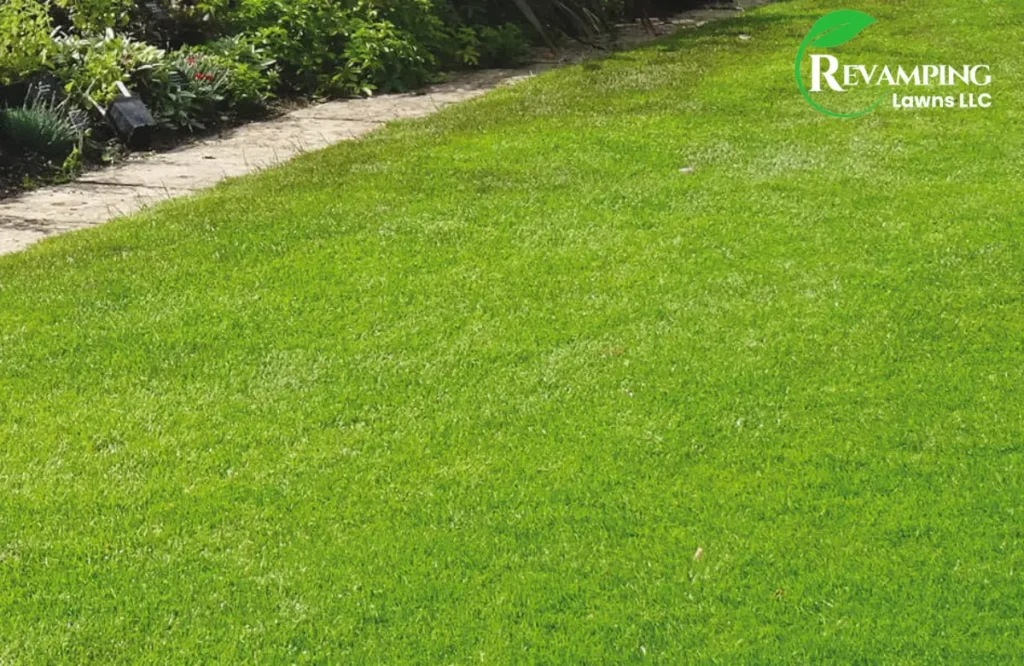
Mowing, watering and overseeding are regular tasks to assist in keeping smooth. The new soil is not yet settled and the grass is not yet established, so avoid heavy traffic.
Grass Seed vs. Sod: Best Options for Lawn Repair After Leveling
Seed is cheap when used on a large area but it is slow to form. Sod provides instant cover as well as an even height of small patches or display lawns.
The Importance of Proper Watering After Lawn Leveling
Water lightly but consistently after top dressing to settle soil without washing it away. Proper watering encourages healthy root growth needed to stabilize the lawn.
Conclusion:
It does not require a complex and expensive process to get a smooth and vibrant lawn. Having the appropriate knowledge on how to make a bumpy lawn even through top dressing and the right lawn leveling equipment, anybody can turn a bumpy yard into a green, smooth and uniform lawn. You can fix even big dips and other irregularities on your lawn using consistent care and the appropriate materials to make your house beautiful and serviceable once again.
And you are ready to level up your lawn. Visit Revamping Lawns, where you can find expert tips, high-quality lawn leveling tools and the best lawn dirt to make you achieve the ideal level of grass lawn. Begin your lawn renovation now and have a yard that is fabulous to both look and feel all year long!
FAQ’s
Top dressing of most lawns is recommended once annually, preferably in early spring or fall.
An all-sand solution is long-term damaging to your lawn. Organic soil should always be mixed with sand.
The rakes, along with a good lawn leveler or drag mat, are recommended in DIYs.
It can be a bit of application in a few months before it levels and stabilizes, depending on the unevenness.
Small to medium-sized unevenness can be controlled by DIYers using the appropriate equipment and steps. In the case of big or serious cases, it is better to seek professional assistance.