It is getting near winter and with it, the silent menace to your beloved lawn. A single wrong step this season and then your green carpet might turn into a snowy cemetery of withered grass. Imagine it like a small tragedy that is slowly taking place in the window of your house, a cold, slow death that no homeowner would desire. But may winter be the hangman. Winter lawn care mistakes are the most massive, and you must equip yourself with the appropriate knowledge to avoid them. This isn’t just a guide; it’s your lawn’s last chance at survival.
Ready for a how to with doc, the definitive autopsy on saving your grass this winter? Let’s bring your lawn back from the brink before it’s too late.
Mistake #1: Overwatering Your Lawn During Winter
Why Overwatering Can Lead to Lawn Damage
Neither will your lawn have a swampy funeral bed. Winter may cause overwatering in the soil and drowning of the roots. Wet soil is restricting oxygen and without air, roots die. This welcomes fungus and root rot, serious turf diseases. In addition, frozen lawns freeze at a higher rate, resulting in ice damage on the lawns. Excessive watering will reduce your lawn patch into a muddy pool, which hastens its expiring death spiral in winter.
How to Adjust Watering During Cold Months
The winter requires a lean crew technique of watering. Your grass also goes to sleep and requires much less water. Reduce the number of times water is applied to once a week or once in 2 weeks or when there is a prolonged dry season. Be careful of rain and snowfalls; in winter, nature generally assumes the decisive role. Aim to keep soil slightly damp, not soggy, think of your lawn like an introvert at a party, it only needs a little attention.
Using the Right Lawn Care Equipment for Winter Watering
It is important to use the right lawn care equipment in winter. Do not use sprinklers with the large droplets that may lead to ice patches. Rather, use drip irrigation or handheld sprays with soft sprays so as not to overdo it. Winterize equipment correctly to prevent freezing damage, since fractured equipment in winter is a grave with no headstone, you are likely to have a hard time locating parts later.
Mistake #2: Failing to Maintain Your Lawn Care Equipment
The Importance of Proper Lawn Care Equipment Maintenance
It is just like forgetting your lawn before the funeral and ignoring your tools. Unclean, boring or rusty equipment may spoil your grass rather than maintain it. Regular servicing makes each blade, mower and trimmer sharp and prepared to give your lawn a clean up when spring comes, awakening it after a winter of sleep.
How to Prepare Lawn Care Equipment for Winter Storage
It is best to clean them up before putting your lawn care equipment down to a permanent resting place during winter to eliminate any grass, dirt, and moisture. Refuel and empty fuel, sharpen, change oil on tools using gas, and drain fuel. Keep in a dry and well-ventilated place in order to avoid rusting and freezing. The game will be the same as it used to be in spring, with no ugly surprises because the equipment will be in good condition.
Must-Have Lawn Care Equipment for the Winter Season
It is best to clean them up before putting your lawn care equipment down to a permanent resting place during winter to eliminate any grass, dirt, and moisture. Refuel and empty fuel, sharpen, change oil on tools using gas, and drain fuel. Keep in a dry and well-ventilated place in order to avoid rusting and freezing. The game will be the same as it used to be in spring, with no ugly surprises because the equipment will be in good condition.
Mistake #3: Not Protecting Your Lawn from Heavy Snow and Ice
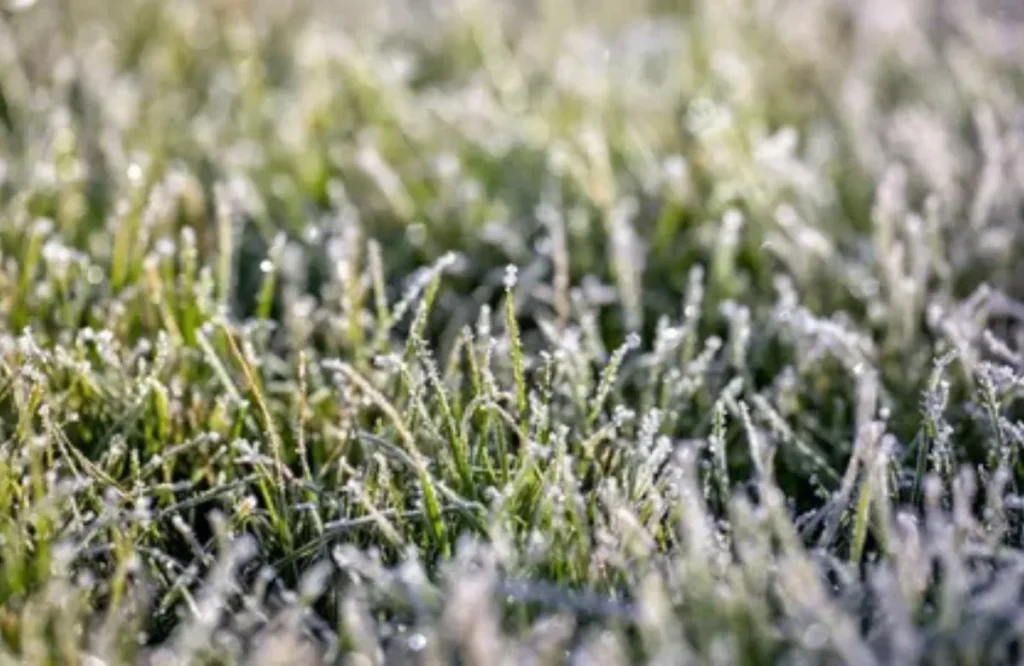
How Ice and Snow Can Damage Your Lawn
Winter implies the use of specific equipment such as leaf blowers to clean up the fallen debris, aerators to decompose the soil, and masks on the fragile machines. Maintaining them in good condition will ensure that you are ready to perform any kind of rituals when it comes to the resurrection of your lawn at the time of the thaw.
Best Practices for Protecting Grass During Winter Storms
Lightweight fabric covers such as burlap, should be used to cover the vulnerable spots. In situations where there is a lot of snowfall, scrap ice covers to allow air to pass through. Do not walk on frozen grass, this is its death sentence. This is to have good drainage to avoid ice dams. It is such small gestures of lawn mercy that may turn life into lawn-death.
Integrated Lawn and Tree Care for Winter Protection
Replanting trees and lawns is a matter of preserving the whole environment. Grass can be saved by trees, which protect it against extreme winds, but debris or excessive shade is devastating to it. Cutting off the hanging boughs removes the formation of ice on the leaves hanging and dripping on the lawn. The best lawns have healthy trees; it is not a one-man game during winter.
Mistake #4: Leaving Leaves and Debris on the Lawn
How Leaves and Debris Block Sunlight and Airflow
Imagine: your lawn covered with a blanket of decomposing leaves and sticks, which is choking you. Leaves are like a dark shroud of thickness, which stops the sunshine and keeps the moisture in a veil. This darkness kills photosynthesis and stagnant water is a breeding ground for fungus and mould, the casket that you did not want in your lawn.
Proper Techniques for Leaf Removal in Winter
The rake sheds off often before severe snowfalls. Large areas should be used with leaf blowers but care should be taken that there is no damage to dormant grass. The use of mulching mowers to cut the leaves into tiny particles that will be used to feed the soil is a more natural way of burying the fallen leaves. Whether it is during winter, keeping your lawn clear allows it to breathe in the winter cold.
Benefits of Lawn Aeration and Clean-Up for Winter Health
Aeration is CPR for the compacted and fatigued lawns. It enhances the uptake of nutrients and circulation of oxygen by the roots during the period of dormancy. Coupled with intensive trash pick-up, it makes your soil ready to spring to vigorous life. Either do not aerate and your lawn has an early youthful death.
Mistake #5: Not Preparing Your Lawn for Spring
Winter Preparation: Why It’s Key to Healthy Grass in Spring
Winter, the mute of spring, builds the green decrees of spring. Your lawn may be choked first and then you have to lose it in early spring, attempting to recover. Preparation will include cleaning up, adequate watering, and root protection by fertilizing. It is the outlay that is made to come back with life after the long dark sleep of winter.
Early Spring Lawn Care Tips to Kickstart Growth
When the snow melts, stir up dead grass and other dead leaves. Use slow-release fertilizer to feed microbes in soil. Mow when the grass is 3 inches, but maintain the height of the blades so as not to be under stress. Early intervention is the wake-up call; your lawn is getting a message that it is time to grow once again.
Plant It Earth: Sustainable Lawn Care Practices for Spring Recovery
Earth principles to be adopted include planting it, earth where the grass is indigenous and the nutrients are organic, and do not conflict with the ecosystem. It is necessary to use compost rather than chemical fertilizers and to avoid excessive watering. Green winter plans result in vigorous spring developments, which minimize the threat of death of the lawn.
Essential Lawn Care and Maintenance Tips for Winter
How to Maintain Healthy Grass During Winter
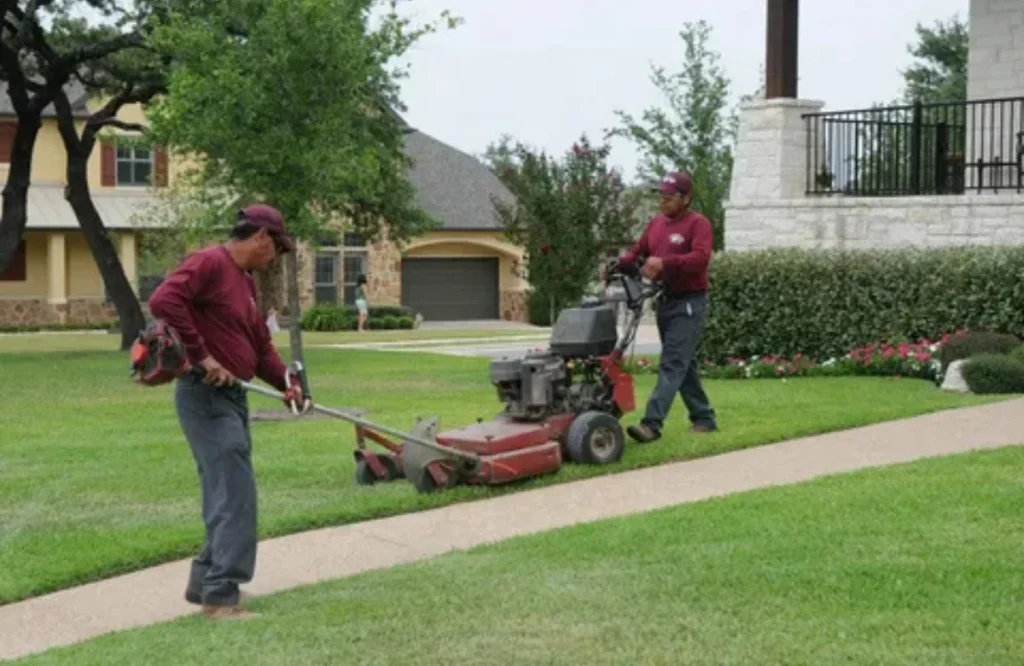
Have the mowing height kept to approximately 2-3 inches in order to conserve the grass top. There should not be excessive foot traffic that tramples down soil. Clearing of snow must be done promptly, lightly and good drainage must be in place in order to prevent accumulation of ice. Take into consideration using winter fertilizers that are rich in potassium to improve the roots.
Lawn Care and Maintenance Routine for Cold Weather
- Water less often, although the amount of moisture should be monitored.
- Service and fix lawn mower and garden equipment.
- Clear leaves and debris promptly
- Apply aerators to keep the soil healthy.
- Cover or mulch susceptible spots.
The Role of Lawn Fertilization in Winter Health
The fertilization in winter does not pertain to rapid growth, but to strengthening the root. Fertilizers containing high levels of potassium give the grass resistance against cold, disease and drought. Early treatment is the solution to make sure that your lawn is able to withstand the winter and be ready to spring back with vitality in the spring season.
Conclusion
It may be a mean winter, but you do not need to watch your grass die a slow, silent death. With these pitfalls bypassed, namely, overwatering, lack of attention to lawn care equipment, disregarding damage from heavy snows, leaving debris sitting on the ground, and neglecting spring preparation, you provide your grass with a decent chance to stay alive and recover. It is important to remember that proper maintenance and management of your lawn in cold months, with in-built lawn and tree care, may turn your winter nightmare on your lawn into a tale of survival. Plant it earth is another sustainable practice that you should adopt to feed your lawn in a natural setting to get ready to sprout back into being in the future. To be professionally advised and have a quality service, put your bets on Revamping Lawns LLC, Every lawn needs another spring.
At Revamping Lawns LLC, we vow to resurrect your lawn from winter’s icy grip with expert care, premium lawn care equipment, and sustainable methods like Plant It Earth. Don’t let your grass meet an untimely demise. Contact us today for professional winter lawn revival services.
FAQ’s
A: Water sparingly, usually once every 2 to 3 weeks during dry spells. Overwatering can cause root rot and damage during cold months.
A: No, winter lawn care varies by region. For example, snowy areas need different watering and protection techniques than milder climates.
A: Proper maintenance ensures your lawn care equipment stays functional and ready, preventing costly repairs and extending its life.
A: Trees and grass share resources and protection. Caring for both together improves overall health and resilience against winter damage.
A: Embrace plant it earth techniques like using organic fertilizers and native grasses to reduce chemical use and improve soil health.